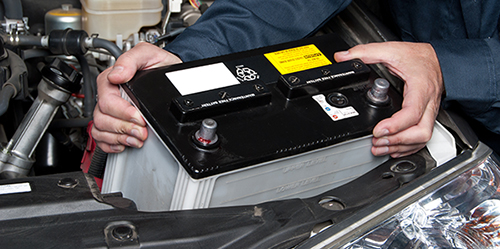
AGM vs. Flooded Batteries: Which Is Right for Your Vehicle Before Winter?

As colder weather approaches, it's a good time to make sure your vehicle's battery is ready for the months ahead. If a battery test shows that replacement is needed, you may come across two common options: AGM and flooded batteries.
Both can provide dependable power, but they aren't designed for exactly the same job. Many vehicles with standard electrical needs use conventional flooded batteries, while vehicles with start-stop technology, more electronics or higher electrical demands may require an AGM battery.
The good news? You don't need to be a battery expert to understand the difference.
What's the Difference Between AGM and Flooded Batteries?
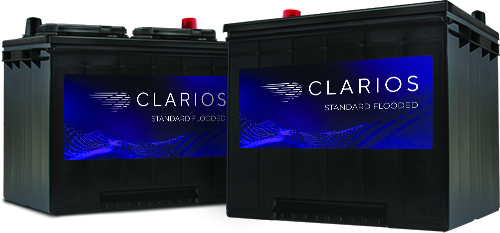
Flooded batteries are the traditional battery technology found in many vehicles. They use liquid electrolyte that moves freely inside the battery and have provided dependable starting power for decades.
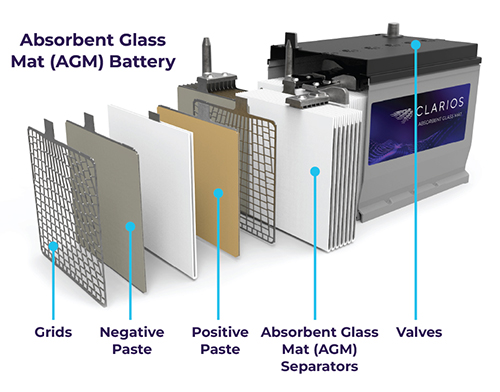
AGM stands for Absorbent Glass Mat. AGM batteries use a different internal design that holds the electrolyte within special glass mat separators instead of allowing it to flow freely.
That design helps AGM batteries handle more demanding electrical needs, repeated use and recharging, and vibration. AGM batteries are also sealed and non-spillable.
For the everyday driver, the difference is fairly simple: a flooded battery can be a great fit for vehicles with standard power needs, while AGM is designed to handle vehicles that ask more from their battery.

When Is a Flooded Battery a Good Choice?
If your vehicle was designed to use a conventional flooded battery and doesn't have unusually high electrical demands, a flooded battery can provide the reliable starting power you need for everyday driving.
The most important thing is choosing a battery that meets your vehicle manufacturer's specifications.
When Might Your Vehicle Need an AGM Battery?
Think about everything your battery may be asked to support beyond starting the engine.
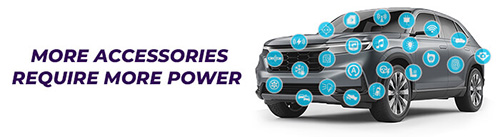
Modern vehicles can include heated seats, large infotainment screens, safety systems, cameras, sensors and numerous other electrical features. Some drivers also add accessories that create even more demand.
AGM batteries are designed to better support these higher electrical loads. They are especially well suited for:
- Vehicles with start-stop technology
- Vehicles with many electrical features or accessories
- Vehicles with higher electrical demands
- Vehicles originally equipped with an AGM battery
AGM batteries can also be used in conventional applications when they meet the requirements of the vehicle.
Why Does Start-Stop Technology Matter?
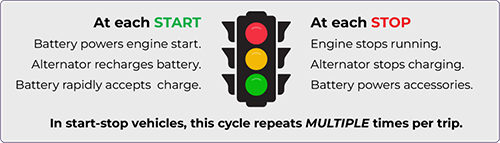
If your engine shuts off while you're stopped at a traffic light and automatically starts again when you move, your vehicle likely has start-stop technology.
Even though the engine has stopped, your vehicle hasn't. The battery still needs to support electrical features while the engine is off and then provide the power needed to start the engine again.
That can happen many times during a drive.
All of those stops and starts ask more from the battery than a traditional vehicle typically would. AGM batteries are designed to handle this repeated demand while continuing to support the vehicle's electrical systems.
Why Can AGM Handle More Demanding Vehicles?
This is where AGM's construction makes a difference.
Because the electrolyte is held within absorbent glass mats rather than moving freely inside the battery, AGM batteries are better equipped to repeatedly provide power and recharge.
Their internal construction also provides greater vibration resistance, while the sealed design helps reduce water loss.
You don't necessarily need these added capabilities in every vehicle. But when a vehicle regularly places greater demands on its battery, those differences become important.
Can You Replace a Flooded Battery With an AGM Battery?
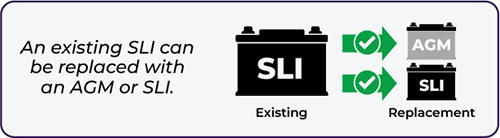
Yes. In many vehicles originally equipped with a flooded battery, upgrading to AGM can provide added benefits when the AGM battery meets the vehicle's requirements.
AGM batteries are designed to handle greater electrical demands, repeated use and recharging, and vibration. That can make AGM a strong choice for today's vehicles, especially those with added accessories or electronics that place more demand on the battery.
Even if your vehicle doesn't require AGM technology, upgrading may provide additional capability to help support the way you drive and the electrical features you rely on.
Before upgrading, make sure the AGM battery is the correct fit and meets the specifications for your vehicle.
Can You Replace an AGM Battery With a Flooded Battery?
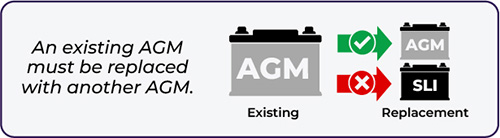
If your vehicle came equipped with an AGM battery, stick with AGM.
AGM batteries are often selected because the vehicle requires the additional capabilities the technology provides. Replacing an AGM battery with a conventional flooded battery can mean installing a battery that isn't designed to support the same electrical demands or performance requirements.
When it's time for replacement, choosing another AGM battery helps ensure your vehicle continues to receive the battery technology it was designed to use.
A simple rule to remember: You can often upgrade from flooded to AGM, but you shouldn't downgrade from AGM to flooded.
What Does Winter Have to Do With Your Battery Choice?
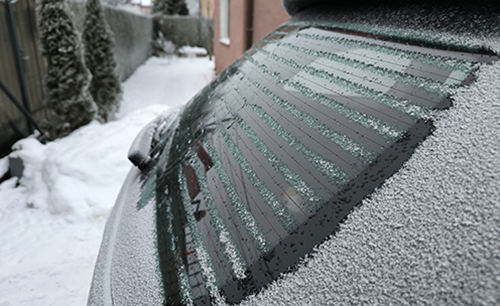
Fall is an important time to think about battery health because colder temperatures can expose a battery that's already beginning to weaken.
At the same time, winter driving can mean greater use of electrical features such as headlights, defrosters, heated seats and other cold-weather accessories.
Having your battery tested before winter can help you identify a potential problem before the first truly cold morning arrives.
If your battery needs to be replaced, knowing whether your vehicle requires AGM or flooded technology can help make sure you're installing the right battery for the job.
AGM or Flooded: Which One Is Right for You?
Choosing the right battery starts with understanding what your vehicle needs, but you may have more than one option.
A flooded battery can provide dependable power for vehicles with standard electrical demands. But when your vehicle is compatible, upgrading to AGM can provide added benefits, including the ability to better support increased electrical demands, repeated use and recharging, and everyday accessories.
If your vehicle came equipped with an AGM battery, stick with AGM. If it currently uses a flooded battery, an AGM upgrade may be worth considering when it's time for a replacement.
As winter approaches, start by having your current battery tested. If replacement is needed, choosing an AGM battery when appropriate can give your vehicle added capability to handle cold-weather driving, today's electrical demands and the road ahead.